As an Amazon Associate, KitchenWithMommy.com earns from qualifying purchases.
A well-used freezer is the most reliable way to have dinner ready on the nights you have nothing left. The trick is knowing what comes out as good as it went in, and being able to find it again.
Safety versus quality
First, the reassuring part. USDA explains in its freezing guidance that food kept constantly at 0°F (−18°C) stays safe indefinitely. Freezing does not kill bacteria, but it stops them growing. The time limits you see on freezer charts are about quality: texture and flavour slowly decline, and nothing becomes dangerous at the three-month mark.
The UK Food Standards Agency calls the freezer a pause button. Its guidance says meats are usually best eaten within 2 to 3 months, and baked goods, fruit and vegetables within 3 to 4 months.
What freezes well
| Freezes well | Best within (USDA quality guide) | Our recipes |
|---|---|---|
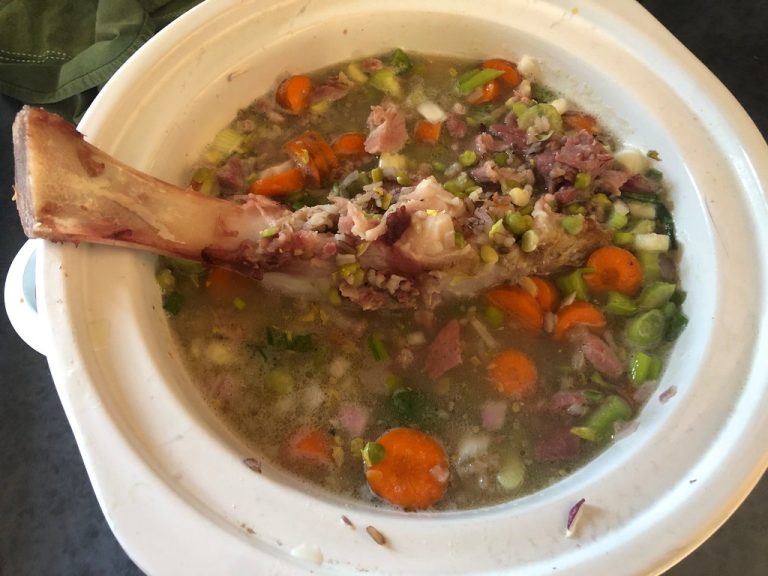
| Soups and stews | 2 to 3 months | Red lentil soup, beef stew, pumpkin soup |
| Cooked meat sauces and casseroles | 2 to 3 months | Bolognese, meatballs, pasta bake |
| Raw mince | 3 to 4 months | Freeze flat in bags |
| Muffins, loaves and scones | about 2 to 3 months | Apple muffins, banana bread, scones |
| Pancakes and waffles | about 2 months | Waffles reheat from frozen in the toaster |
| Unbaked pastry and dough | a few months | Sausage rolls, frozen unbaked |
USDA also notes that raw meat and poultry keep their quality longer in the freezer than cooked, because moisture is lost during cooking.
What doesn’t freeze well
USDA says you can freeze almost anything, except canned food (in the can) and eggs in their shells. But being able to freeze something is not the same as liking it afterwards. USDA gives mayonnaise, cream sauces and lettuce as examples of foods that do not freeze well: sauces separate and salad leaves collapse. Watery salad vegetables in general, such as cucumber, come out limp.
Pack it properly
- Cool it first. The FSA says to cool warm dishes before freezing, and to divide food into smaller portions so it chills faster.
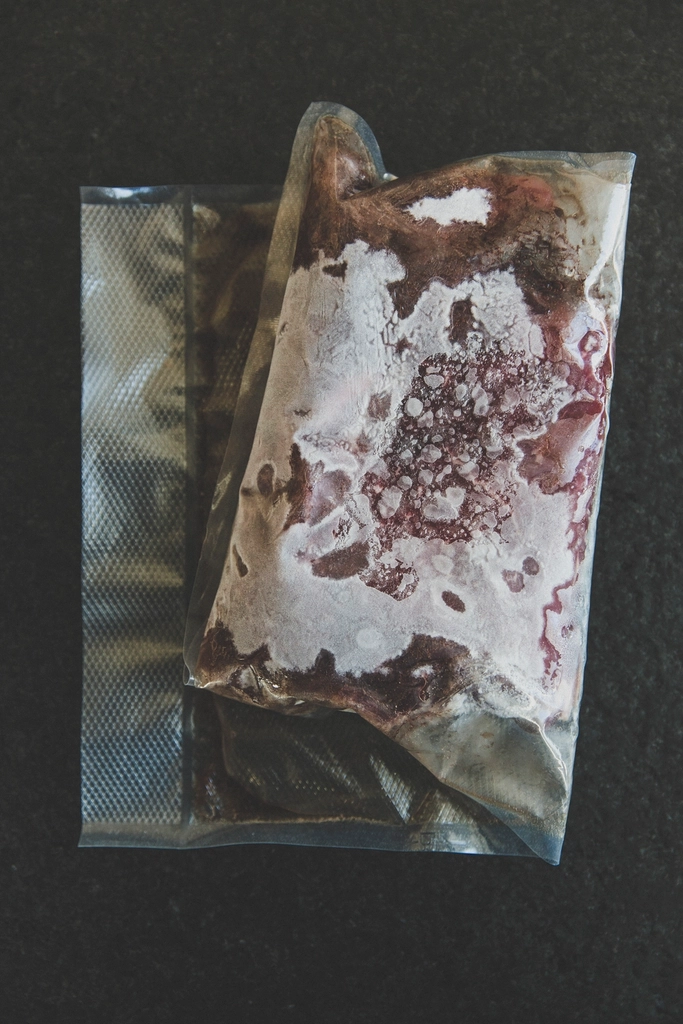
- Keep the air out. Freezer burn, the dry, greyish patches on frozen food, is caused by cold, dry air. It affects quality rather than safety. Airtight containers and well-sealed bags prevent it.
- Freeze flat. Sauces, soups and mince frozen flat in bags stack neatly and thaw quickly.
- Freeze before the use-by date. The FSA says you can freeze food right up until midnight on its use-by date.
Organise it so nothing gets lost
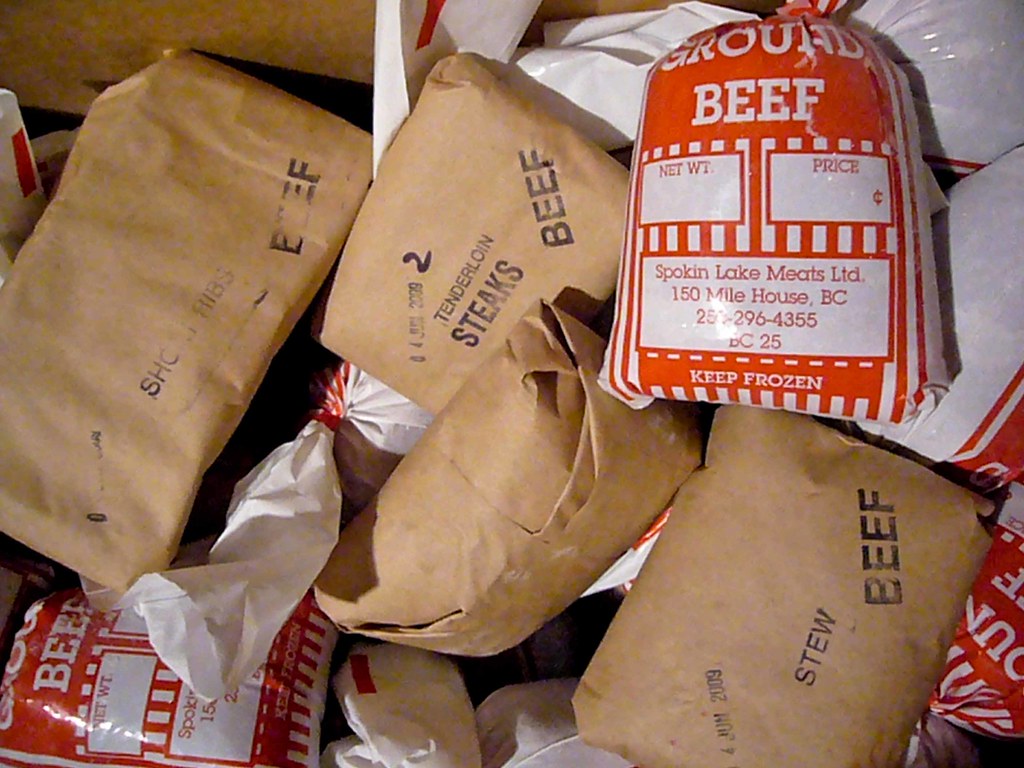
- Label everything with what it is and the date. The FSA’s warning about “Unidentified Frozen Objects” is funny because it is true.
- Group by type in bins or drawers: dinners, baking, lunchbox items, raw meat.
- Oldest at the front. Put new batches at the back so older ones get used first.
- Keep a list on the door of what is inside. A small whiteboard works; cross things off as they come out.