As an Amazon Associate, KitchenWithMommy.com earns from qualifying purchases.
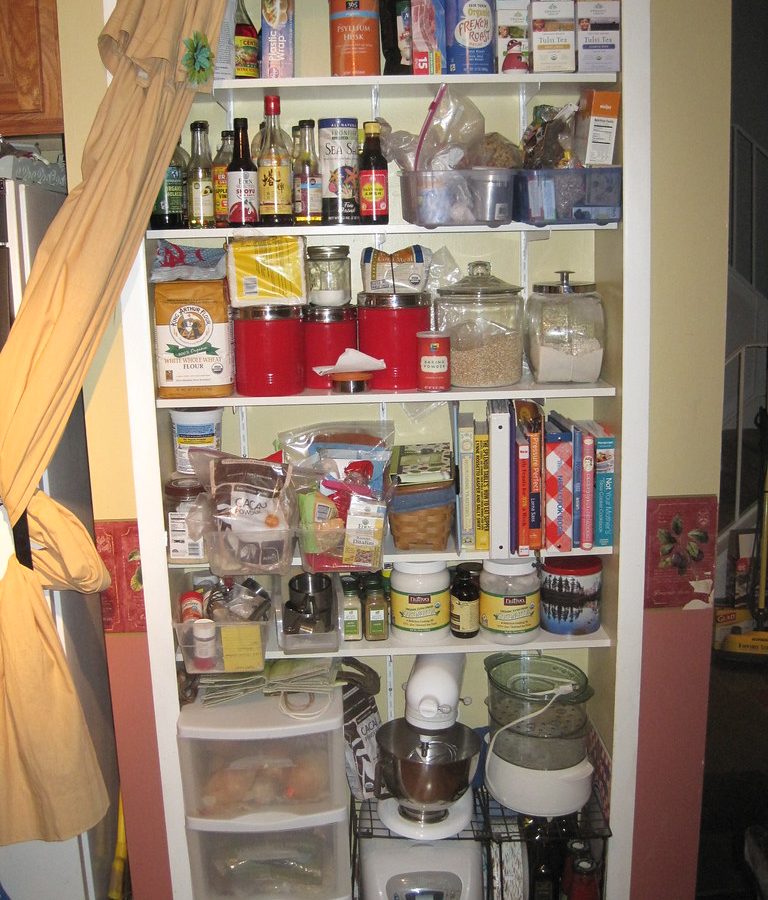
A disorganised cupboard costs money: the third bag of rice, the tin found two years after its date, the spice bought because the old one was hidden at the back. Organising by how you actually cook fixes most of it without any special equipment.
Organise by use, not by container
Group things by what you do with them, so everything for one job is in one place:
- Baking: flours, sugars, baking powder, chocolate chips, cases
- Breakfast: oats, cereal, granola, spreads
- Dinner basics: pasta, rice, couscous, lentils, stock
- Tins and jars: tomatoes, beans, chickpeas, sweetcorn
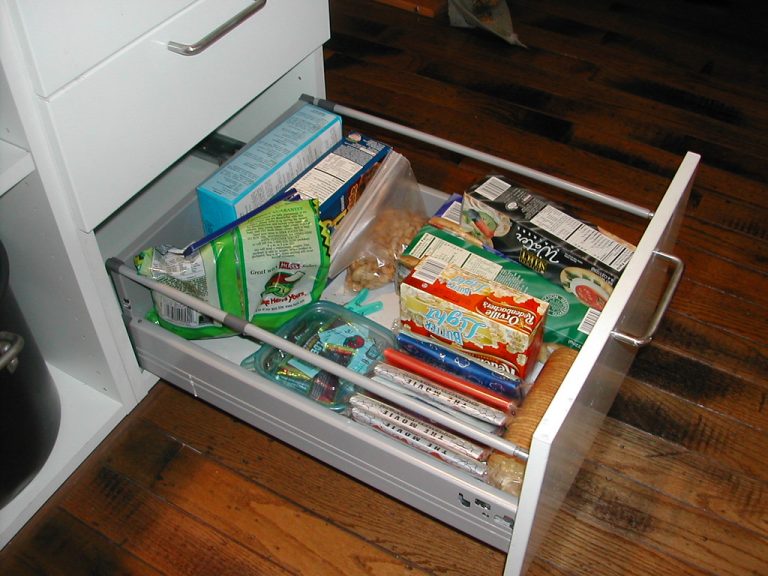
- Snacks: on a low shelf if children help themselves (below)
Put what you use every week at eye level, and occasional things higher up.
First in, first out
When you unpack shopping, put new items behind what is already there. It takes seconds and stops old packets getting pushed to the back and forgotten.
What the dates mean
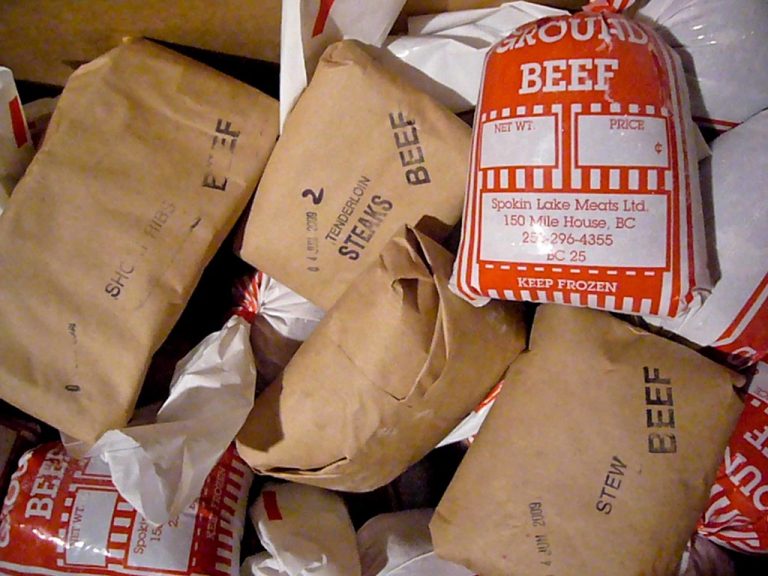
Most cupboard food carries a best before date, which is about quality, not safety. A use-by date is the one that matters for safety, and it is mostly found on chilled food. Even the FSA’s advice on eggs says they are safe for a couple of days after their best before date as long as they are cooked thoroughly (FSA fact checker). Past its best before date, dried pasta or tinned tomatoes may lose a little quality, but they are not dangerous. Check tins for swelling, rust or dents along the seams.
To decant or not
Matching jars look lovely, and they keep out moisture and pantry moths. But decanting has costs:
- You lose the packet information: cooking instructions, the best before date and, importantly, allergen information. Cut these out and tape them to the jar, or write them on the label.
- Top-ups mix old and new. Use the old contents before adding new, or keep a small second jar.
A sensible middle ground: decant the things you use constantly (flour, sugar, oats, pasta) and leave everything else in its packet, grouped in baskets.
A shelf children can use
A low shelf or basket of snacks and breakfast items children are allowed to help themselves to cuts down on questions, and teaches them where things live. Keep anything sharp, glass or unsuitable higher up. Our snack drawer guide goes into detail.
Keep a running list
A list on the inside of the cupboard door, where anyone who uses the last of something writes it down, is the simplest fix for buying duplicates. Or try our pantry visualiser tool to plan the layout.
Where to go next
- Pantry organisation: containers and storage compared
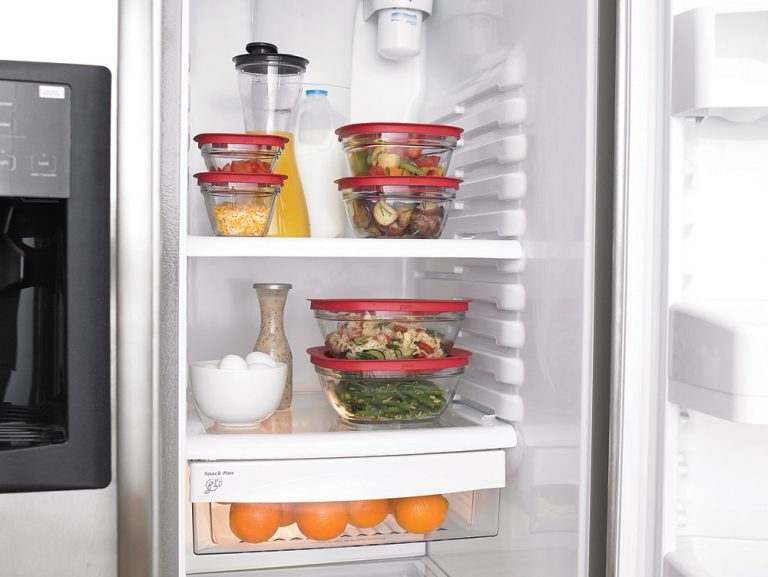
- How to organise your fridge
- What freezes well