As an Amazon Associate, KitchenWithMommy.com earns from qualifying purchases.
Scones are half an hour from cupboard to plate and one of the best things to bake with a child, because the fiddly bits are the fun bits. They are also easy to make flat and heavy, which comes down to two habits.
Do not twist the cutter
The most common scone mistake. Pressing the cutter straight down and then twisting it seals the cut edges together, and the scone cannot rise evenly — you get a lopsided, squat result.
Press straight down, straight back up. No twist. Dip the cutter in flour between scones so it releases cleanly.
Handle the dough as little as possible
Scone dough should look slightly shaggy and under-mixed when you stop. Every extra turn develops gluten, and gluten makes scones tough and bready rather than short and light.
Bring it together with a knife rather than your hands where you can, pat it out to about 2.5cm rather than rolling it thin, and accept that it looks rough. It will be fine.
Cold butter matters here too, for the same reason it matters in crumble — small solid pieces of butter melt in the oven and create steam, which is what lifts the scone.
Thick, not thin
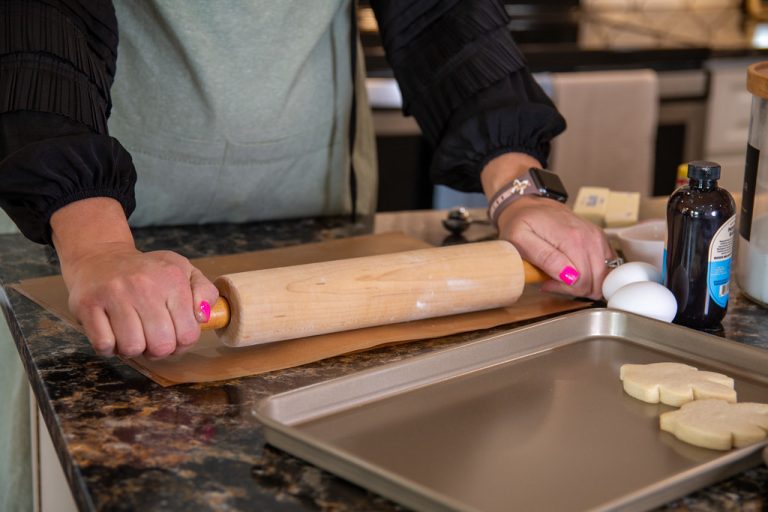
A scone cannot rise much taller than it starts. Roll the dough out to a centimetre and you will get a biscuit, however good your technique is otherwise. Two and a half centimetres, and a smaller cutter, gives you the tall scone you are actually after.
Re-roll the scraps only once. Those scones have been handled more and are noticeably tougher — bake them anyway and eat them first.
Sweet or savoury
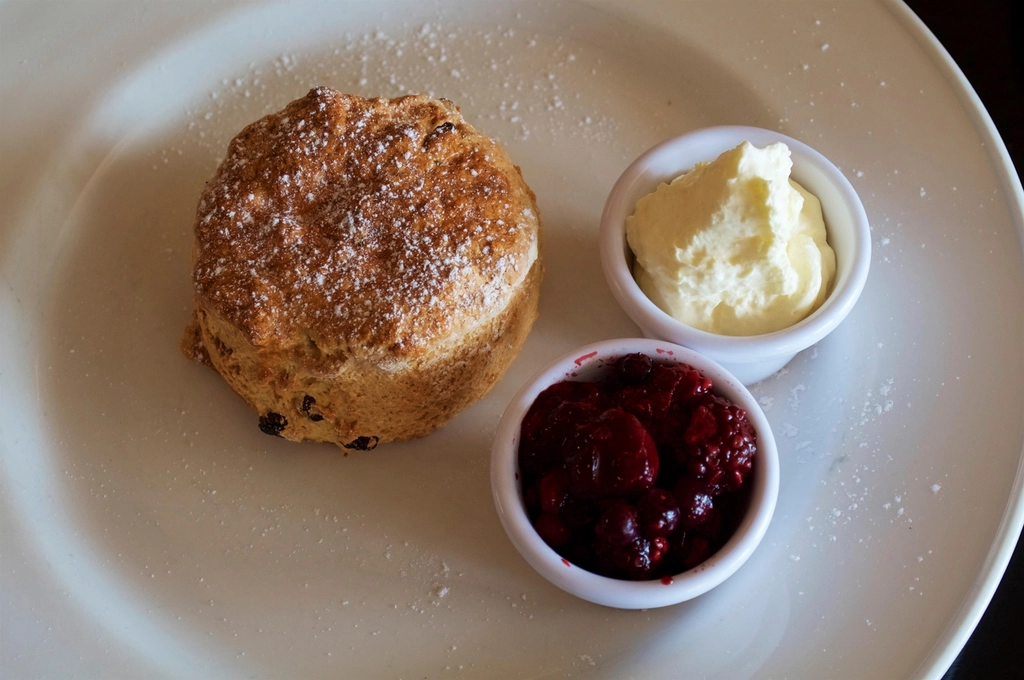
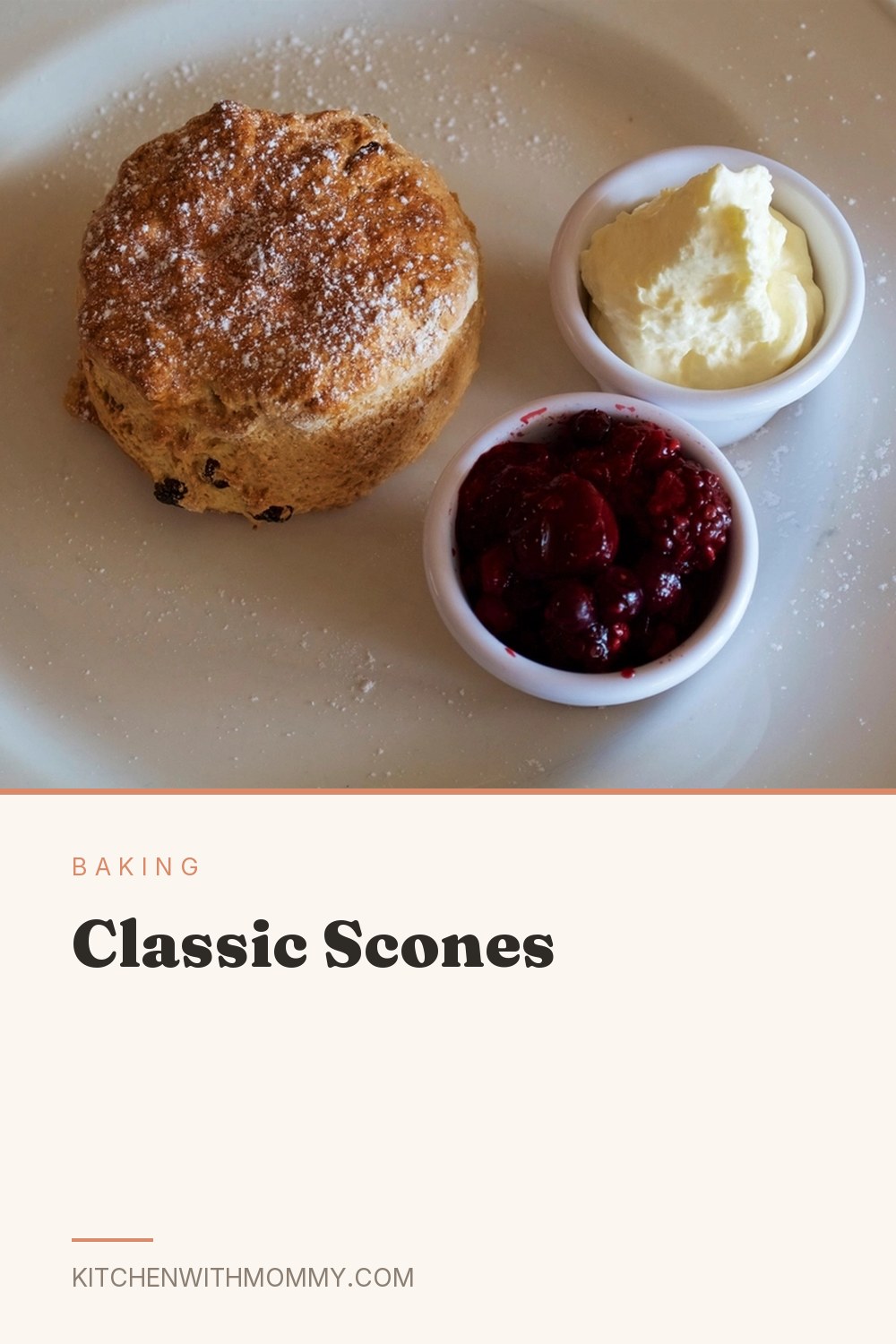
The base recipe works either way. Leave it plain, or add a handful of sultanas for fruit scones. Either goes with jam and clotted cream, which is rather the point.
For cheese scones, leave out the sugar and sultanas, stir 150g of grated mature cheddar through the dry ingredients and add a teaspoon of mustard powder. Everything else stays the same. Use a strong cheddar — mild cheese disappears in a hot oven.
Eat them the day you make them, or freeze them
Scones are at their best within a few hours and noticeably worse the next day. That is simply what they are.
The fix is the freezer: they freeze extremely well baked, and a frozen scone put in a lunchbox in the morning has defrosted by break. Best quality within about two months, per general freezer guidance for baked goods.