As an Amazon Associate, KitchenWithMommy.com earns from qualifying purchases.
A food flask turns leftovers into a proper hot lunch: soup, stew, pasta, chilli. Done properly, it keeps food hot and safe until lunchtime. Done badly, it keeps food lukewarm, which is the worst temperature there is.
The rule: hot enough, not just warm
USDA’s guidance on packed lunches says hot food in an insulated container should stay at 140°F (60°C) or above until it is eaten. Below that, food drifts into the temperature range where bacteria multiply. A flask that keeps soup pleasantly warm is not good enough; it needs to stay properly hot.
Preheat with boiling water
This is the step that makes the difference, and it is USDA’s own advice: fill the empty flask with boiling water, put the lid on and leave it for a few minutes, then empty it and add the food. A cold steel flask pulls heat out of the food; a preheated one does not.
Heat the food until it is piping hot
Heat the food right up, not just to eating temperature: steaming hot all the way through. Leftovers should reach 165°F (74°C) when reheated (see our cooking temperature chart). It will cool a little in the flask by lunchtime, and that is the margin that keeps it above 60°C.
- Fill it well. A flask that is mostly food holds heat better than one that is mostly air.
- Keep the lid shut until lunch, as USDA advises. Every peek lets heat out.
- Pack it last, just before leaving the house.
Test yours at home first
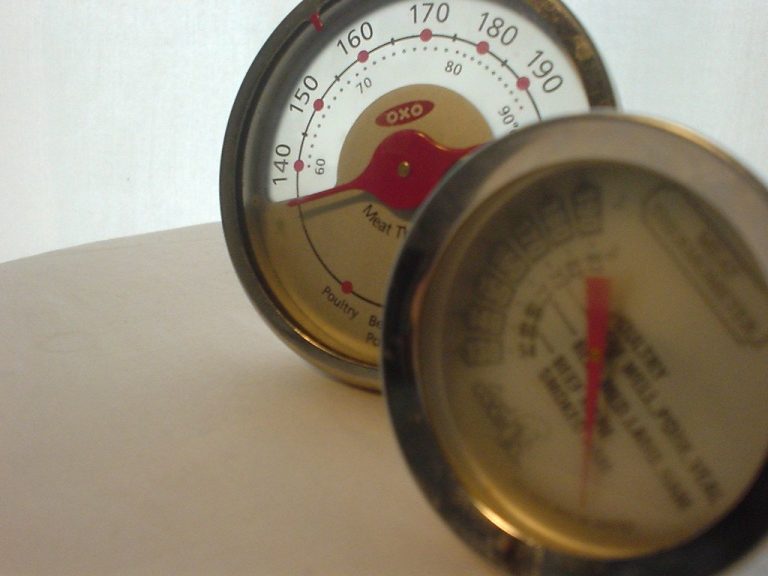
Flasks vary a lot, and a manufacturer’s heat-retention claim is measured under ideal conditions. On a weekend, pack the flask exactly as you would for school, leave it for the same number of hours, then check the food with a probe thermometer. If it is below 60°C, preheat longer, heat the food hotter, or choose a better-insulated flask.
What works well in a flask
- Thick soups: red lentil, hidden-veg tomato, pumpkin
- Stews and sauces: beef stew, bolognese with short pasta
- Meatballs in tomato sauce
Pasta in sauce keeps better than dry pasta, which goes soggy. For crunch, pack crackers or bread separately.
Cold lunches instead?
If the flask is not up to the job, a cold lunch kept properly chilled is the safer choice. See how to keep a packed lunch cold and our no-heat lunch ideas.