As an Amazon Associate, KitchenWithMommy.com may earn from qualifying purchases.
Crumble is autumn’s easiest pudding and the one with the most failure modes: a sandy topping, a soggy middle, or apples collapsed into sauce. All three are avoidable.
The butter must be cold
This is the whole technique. Cold butter rubbed into flour leaves small solid pieces; in the oven those melt and steam, and that steam is what makes the topping crisp and craggy.
Soft or melted butter coats the flour instead and bakes into a uniform, sandy layer. Take the butter straight from the fridge, cut it into cubes, and stop rubbing while the mixture still looks lumpy and uneven — lumps are what you want.
If the kitchen is warm and it starts to feel greasy, put the bowl in the fridge for ten minutes and carry on.
Which apples
Use Bramley or another cooking apple if you want the fruit to break down into a tart purée. Use Braeburn, Granny Smith or Honeycrisp if you want pieces that hold their shape.
A mix of both is the best answer: some collapses into sauce, some stays in recognisable pieces.
Stopping a soggy bottom
Blackberries release a lot of liquid. A tablespoon of cornflour tossed through the fruit thickens the juices as they cook instead of letting them pool under the topping.
Do not press the crumble down. Scatter it loosely and leave it uneven — a compacted topping traps steam underneath and goes soft.
Oats, and the argument about them
Purists say no oats. Oats give a crunchier, more flapjack-like topping and hold up better to fruit juices. This recipe includes some; leave them out for a more classic short, sandy crumble.
Making it ahead
The topping freezes raw, which is the useful part — keep a bag of it and you are fifteen minutes from pudding. Scatter it over fruit straight from frozen and add about ten minutes to the bake.
Where to go next
- Banana bread
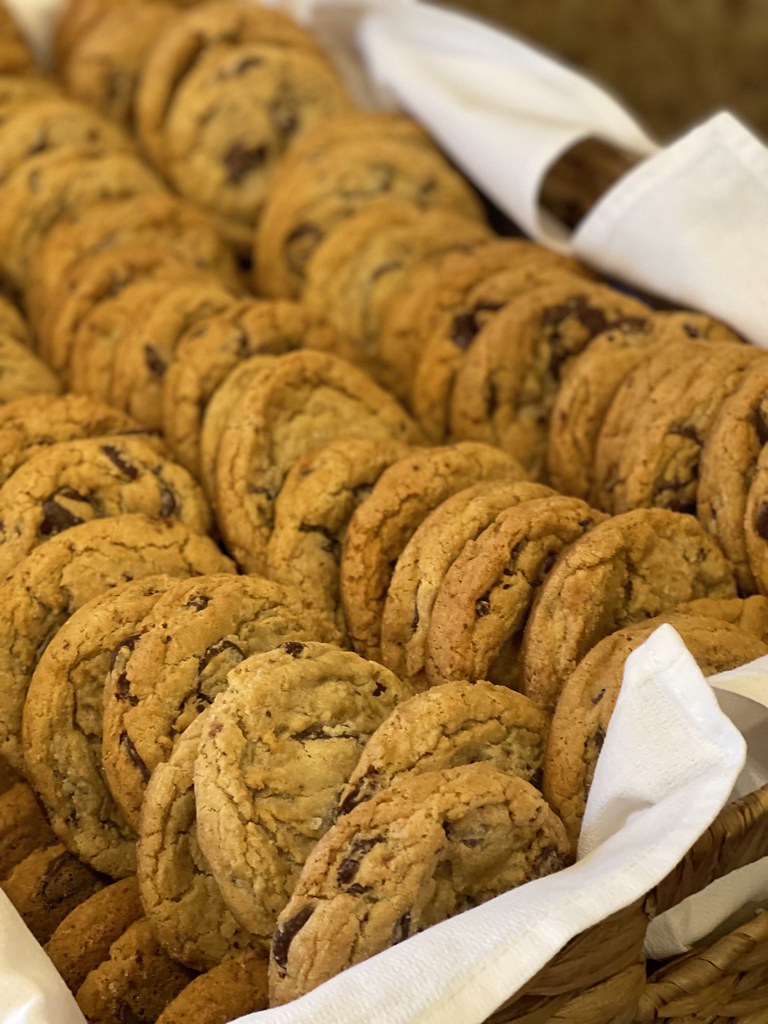
- Chocolate chip cookies
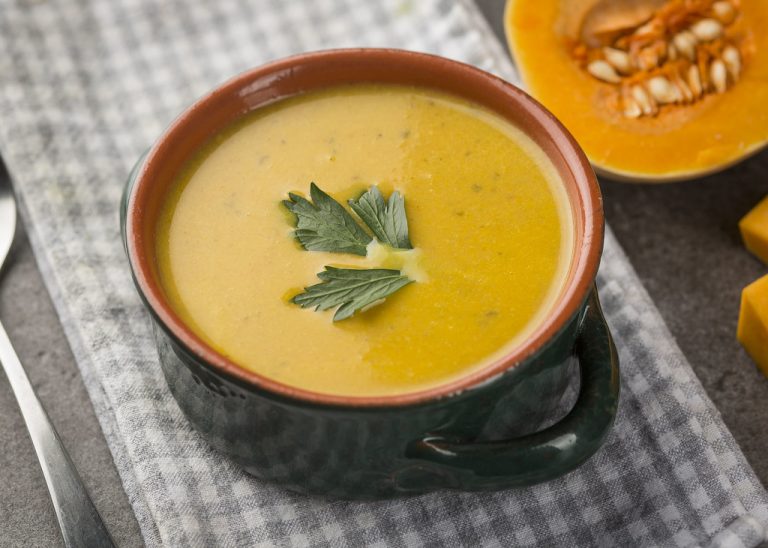
- Butternut squash soup — the same oven, first