As an Amazon Associate, KitchenWithMommy.com earns from qualifying purchases.
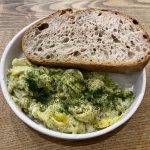
Scrambled eggs are the first thing most people learn to cook and one of the easiest to get slightly wrong every time. Three things fix it, and none of them take longer.
1. Low heat. Lower than you are using.
Heat is what makes eggs rubbery. The proteins tighten and squeeze out water, which is why fast-cooked scrambled eggs sit in a puddle on the plate.
Medium-low, and stir gently and almost constantly. It takes four or five minutes rather than ninety seconds, and that is the entire difference. If they are setting the instant they hit the pan, the pan is too hot.
2. Leave the milk out
Adding milk or cream is near-universal and it does not do what people think. It does not make eggs creamier — it dilutes them, lowers the temperature unevenly and makes them more likely to weep water as they cook.
Creaminess comes from fat and gentle heat. Use butter, cook slowly, and the texture takes care of itself. A knob of butter stirred in at the very end does far more than any milk at the start.
3. Take them off before they look done
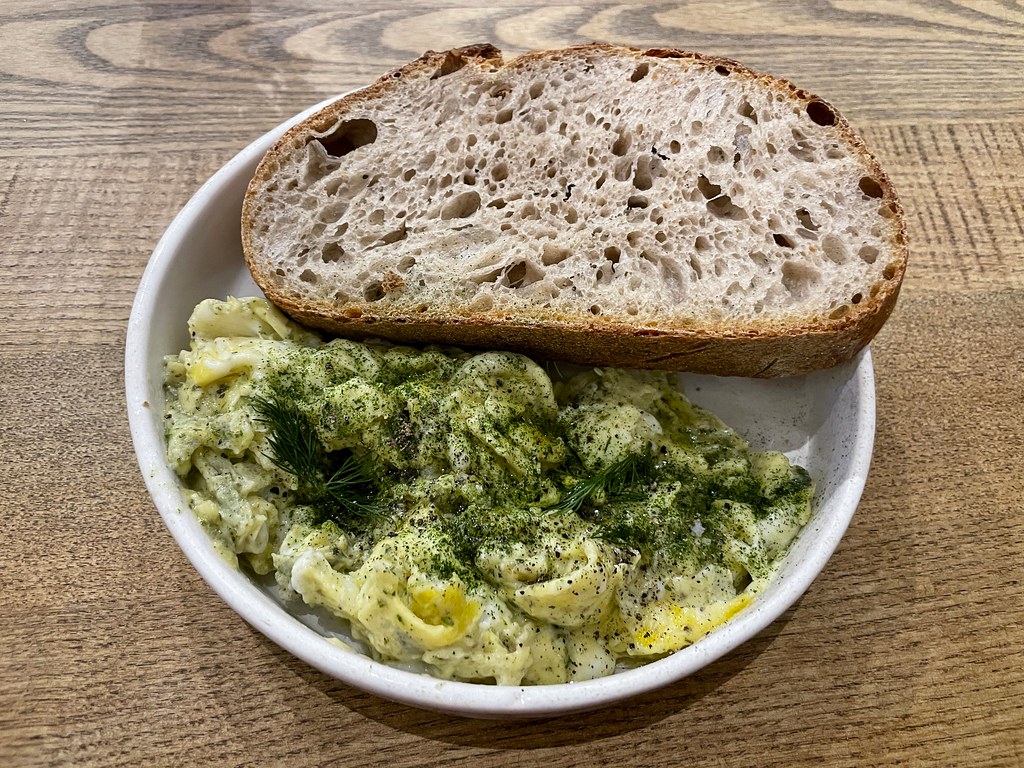
Eggs carry on cooking in the hot pan after the heat is off. Take them off while they still look slightly underdone and glossy, and they arrive at the table correct. Wait until they look right in the pan and they will be dry by the time they are eaten.
Salt at the end
Salting raw beaten egg and leaving it to stand starts breaking down the proteins and can make the result watery. Beat, cook, then season.
Cooking this with children
Beating the eggs is a good job for small hands, and the slow stirring is one a child can do under supervision — the pan is on low, which makes it a lot safer than most hob tasks. Our family kitchen safety checklist covers setting up before a child is at the hob.
A note on eggs and young children
Cook eggs until both white and yolk are firm for young children, pregnant women and anyone with a weakened immune system. Runny scrambled eggs are a different risk category — follow NHS or USDA guidance rather than ours.