As an Amazon Associate, KitchenWithMommy.com earns from qualifying purchases.
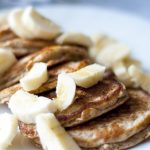
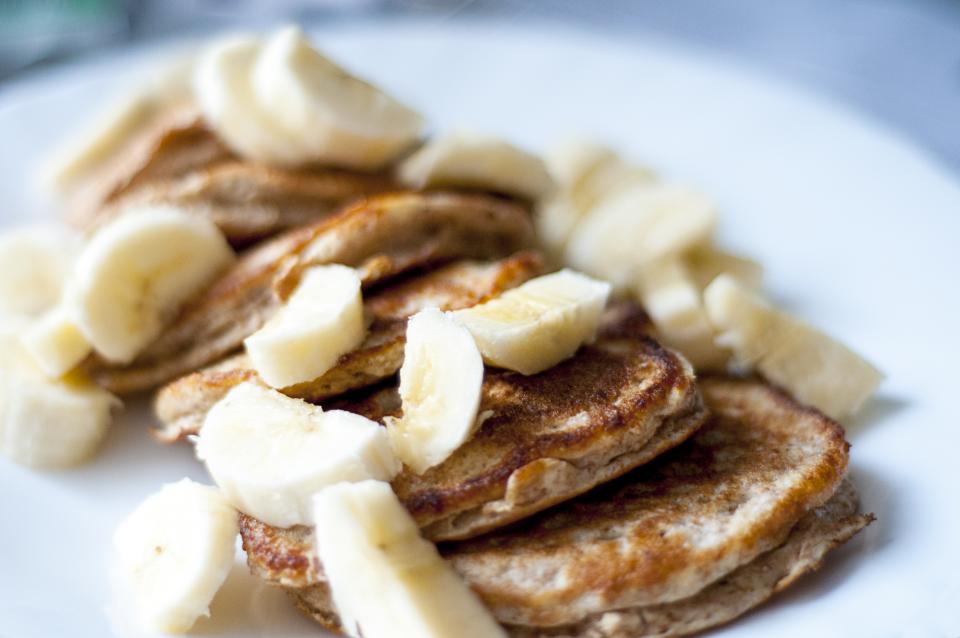
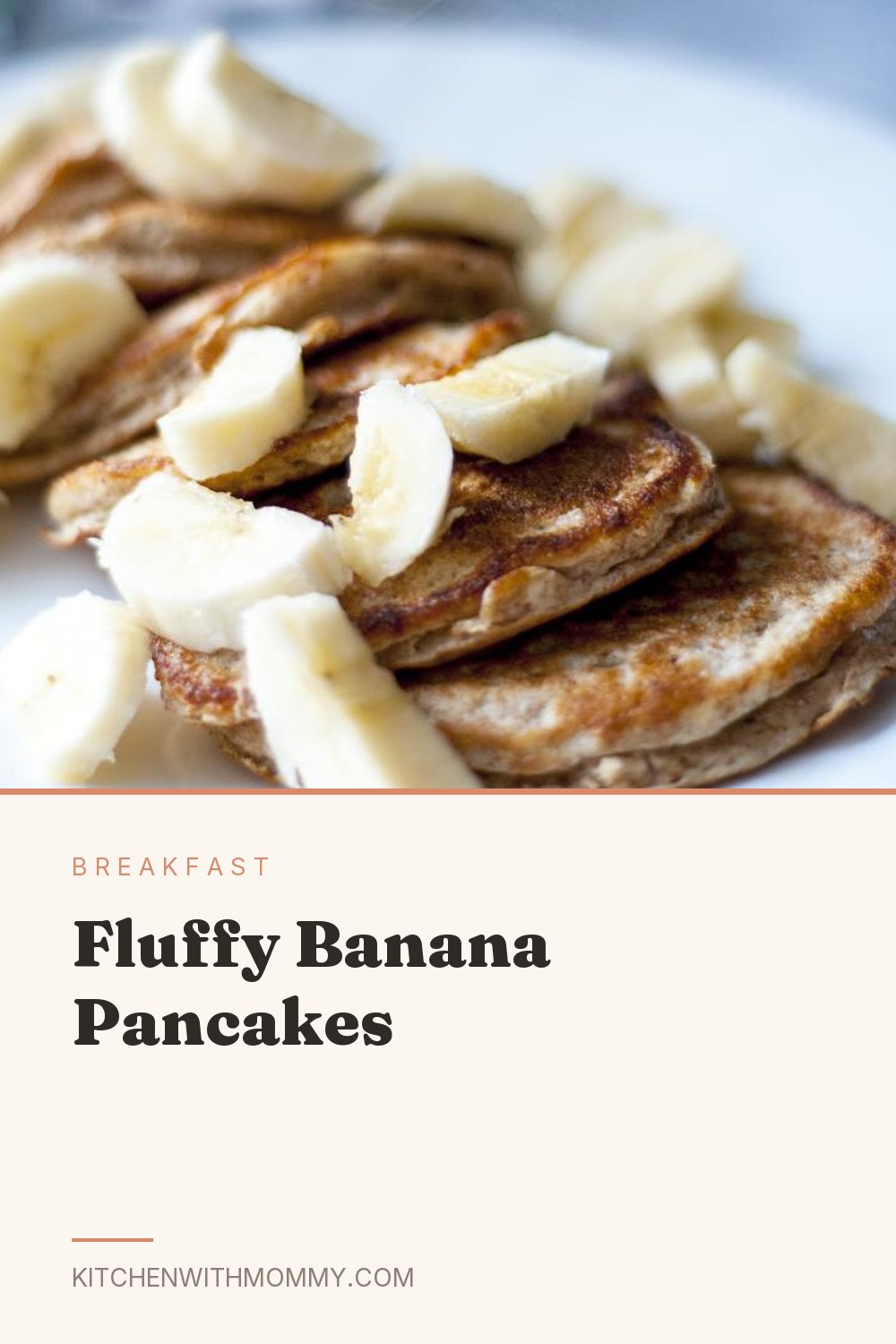
These are thick American-style pancakes rather than thin crêpes, which is what most children mean when they ask for pancakes. The banana does two jobs: it sweetens the batter so you barely need sugar, and it keeps them soft for hours, which matters if any are going in a lunchbox.
The two things that decide how they turn out
Don’t beat the batter. Fold until the flour has just disappeared and leave the lumps alone. A smooth batter develops gluten and gives you flat, chewy pancakes. A slightly lumpy one gives you tall, tender ones.
Keep the pan at medium, not high. Banana batter browns faster than plain batter because of the sugar in the fruit. On a hot pan you get a dark outside and raw middle. If the first one browns in under 90 seconds, turn the heat down before you cook the rest.
Making them ahead
The batter can be made the night before, covered and refrigerated — it thickens, which is fine, and you may want a splash more milk in the morning. Cooked pancakes keep three to four days in the fridge in line with general leftover guidance, or freeze in a stack with baking paper between them.
A cold pancake spread with cream cheese and rolled up is a genuinely good lunchbox item, and it holds together better than a sandwich. There are more ideas in 30 no-heat school lunch ideas.
Variations we can and can’t vouch for
- Blueberries: drop them onto the pancakes after they hit the pan rather than stirring them through, or the batter turns grey.
- Wholemeal flour: swap up to half. All wholemeal makes them heavy.
- Dairy-free: any plant milk works in our experience of the ratio; we have not tested this version without eggs, so we can’t tell you how that turns out.
Where to go next
- Homemade granola — the other make-ahead breakfast
- Berry yoghurt breakfast pots
- Banana bread — for when you have even more bananas
- The weekly meal prep system