As an Amazon Associate, KitchenWithMommy.com earns from qualifying purchases.
Toddler tableware is sold on colour and character and bought, mostly, to solve two problems: the plate ending up on the floor, and foods running into each other. Those are the two things worth evaluating.
How we put this together: from manufacturer specifications, published materials information and recurring themes in owner feedback. We have not run a comparative test of competing plates, and we don’t claim to have. This is a set of criteria to check, not a ranking.
Suction: the part most people get wrong
Suction plates fail more often because of the surface than the plate. A suction base needs a smooth, non-porous, flat surface to seal against. It will not hold on:
- Textured or matte high-chair trays — extremely common
- Wooden tables, sealed or not
- Trays with a raised lip where the plate overlaps the edge
- Any surface that is even slightly damp with crumbs underneath
Before buying, run a finger over the tray your child actually eats from. If it has a grain or a pebble texture, a suction plate is likely to disappoint regardless of brand, and a heavy non-slip mat plus an ordinary plate may serve you better.
Two other things to check on the listing:
- Is the suction ring removable? Removable rings clean properly but can be pulled off by the child — which is sometimes the point and sometimes the problem.
- Is there a release tab? Strong suction with no tab means adults struggle too, and plates get levered off with cutlery.
Divider height matters more than divider count
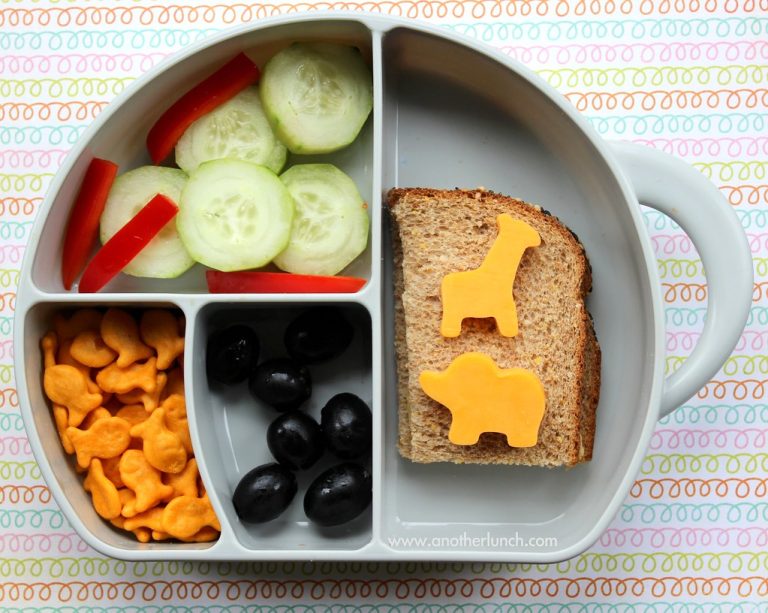
For a child who objects to foods touching, a shallow moulded dip does nothing. Look for dividers that stand proud of the plate surface — typically described as raised or high-walled — and check the photos from the side rather than from above, since overhead shots hide depth.
Three compartments is usually enough. More sections mean smaller sections, and a portion of pasta needs room.
Materials, and what the ratings mean
| Material | Advantage | Limitation | Typical ratings |
|---|---|---|---|
| Food-grade silicone | Flexible, quiet, integrated suction | Attracts lint; can stain with tomato | Usually dishwasher, microwave and freezer safe |
| Polypropylene (PP) | Light, cheap, rigid | Scratches; separate suction ring can detach | Often top rack only |
| Bamboo composite | Feels less plastic | Binder varies; many are not dishwasher safe | Check individually; often hand wash |
| Stainless steel | Very durable, no staining | Loud, cold, never microwave safe | Dishwasher yes, microwave no |
Two practical points. “BPA-free” is close to universal now and tells you little on its own — the useful information is the named polymer and the temperature ratings. And “dishwasher safe” frequently means top rack only; the bottom rack sits nearer the heating element and is what warps plates and hardens silicone.
Match the shape to the stage, not the age
| Stage | What suits it | Why |
|---|---|---|
| Starting solids | Suction bowl, high straight sides | Something to push a spoon against |
| Self-feeding with hands | Divided suction plate, raised walls | Separates food, resists sweeping off |
| Learning cutlery | Plate with a raised outer rim | A lip to push food against |
| Eating at the family table | Small, light, unbreakable plate | Matching the adults matters to them |
What we can’t tell you from specifications
- How long the suction holds. There is no published standard and it depends far more on your table than on the plate.
- Whether silicone will stain. Tomato and turmeric stain most silicone eventually; how fast is not something manufacturers quantify.
- How it survives a year of dishwashing. Owner reviews written months after purchase are the most useful signal available, and we weight those over launch reviews.
Questions we get asked
Are suction plates a safety feature?
No. They reduce mess and frustration. They are not a substitute for supervision, and they do not make choking less likely. Follow your paediatrician’s or health visitor’s guidance on food textures and sizes.
How many do I need?
Two plates and two bowls covers a normal dishwasher cycle. Buy one of a style first and see whether it holds on your tray before buying the set.
Is a plate going to fix mealtimes?
A divided plate genuinely helps with foods touching, which is a real objection for a lot of children. It will not change the dynamic at the table — that is what feeding a picky eater is about.