As an Amazon Associate, KitchenWithMommy.com earns from qualifying purchases.
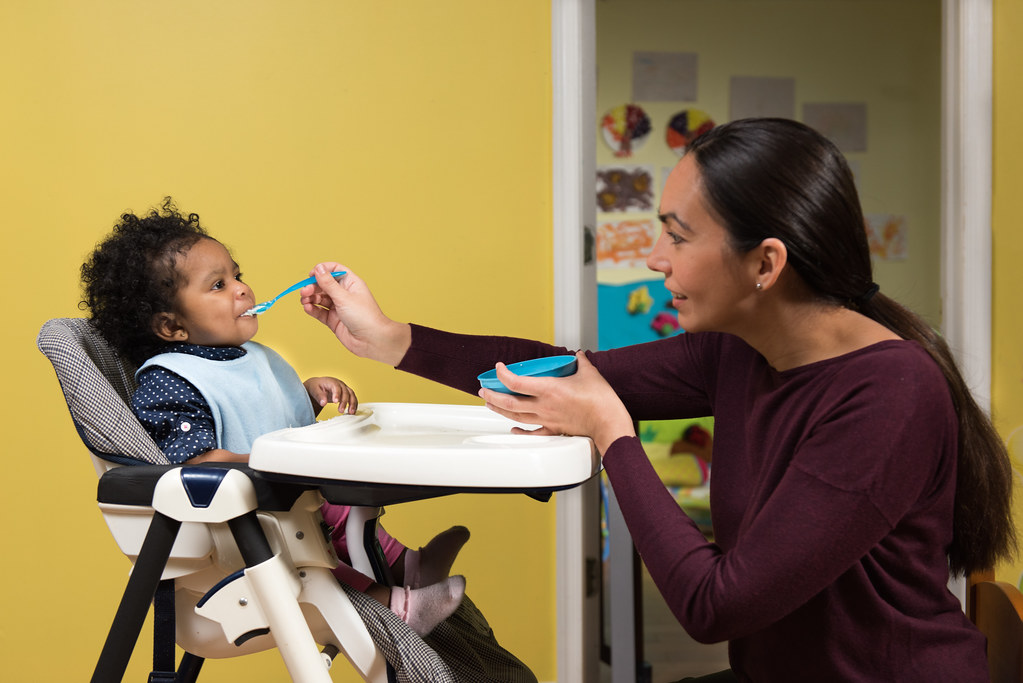
Baby shops sell a lot of weaning kit. The NHS’s own equipment checklist is short: a high chair, bibs, soft spoons, a bowl, a cup, and something to catch the mess. Here’s that list with what to look for in each, and the things you can skip.
This is a shopping guide, not medical advice. For when and how to start, follow your health visitor, GP or paediatrician.
When to start
The NHS advises waiting until your baby is around 6 months old, and if your baby was born prematurely, asking your health visitor or GP when to start. The American Academy of Pediatrics describes the signs of readiness: good head control and able to sit in a high chair or feeding seat, opening their mouth when food comes their way, and able to move food from a spoon to the back of the mouth.
The checklist
| Item | Why (NHS) | What to look for |
|---|---|---|
| High chair | Your baby needs to sit safely in an upright position so they can swallow properly. Always use a securely fitted safety harness. | A harness that fits snugly, a tray you can remove and wash, and as few crevices as possible |
| Bibs | Plastic or “pelican” bibs, with a pocket to catch dropped food, are easiest at first. | Wipe-clean, with a fastening your baby can’t pull open |
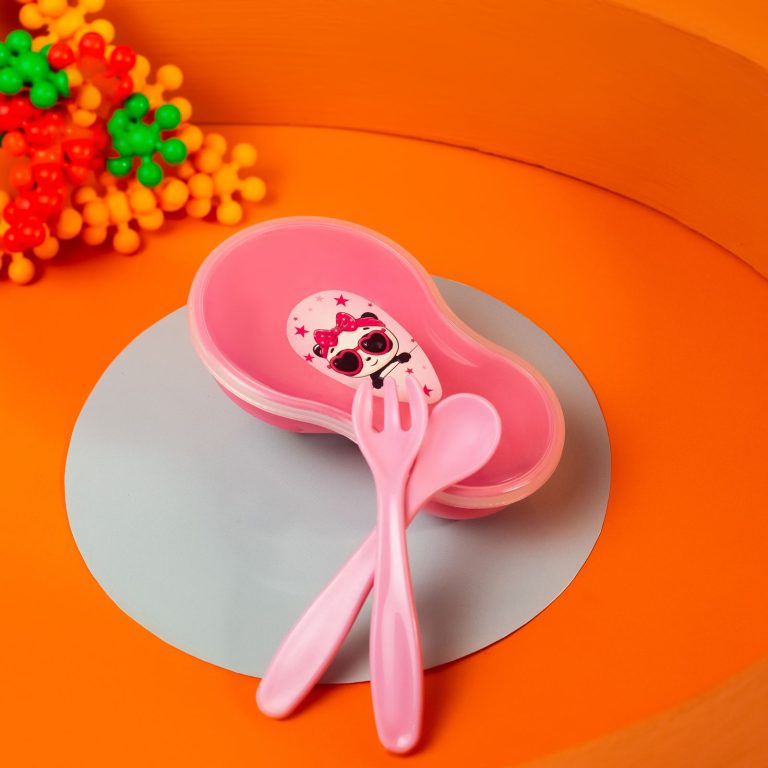
| Soft weaning spoons | Soft rubber or plastic spoons are gentler on your baby’s gums. | A soft tip, and a long handle for you |
| Small bowl | Ideally with a suction base, or it’s likely to end up on the floor. | Suction that grips your tray: it needs a flat, smooth surface |
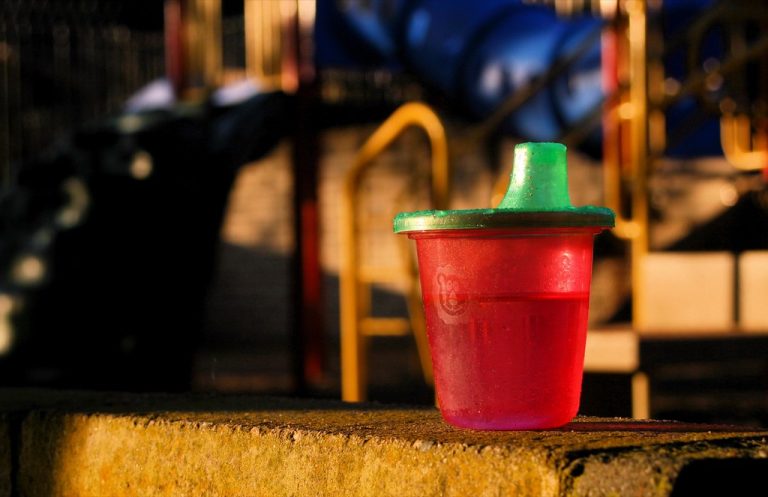
| First cup | Introduce a cup from around 6 months, with sips of water at meals. Open or free-flow cups without a valve help babies learn to sip and are better for their teeth. | See choosing a first cup |
| Messy mat | Or newspaper under the high chair. | Wipe-clean and big enough to reach past the chair’s legs |
| Ice cube trays | Very useful for batch-cooking and freezing small portions. | Lids, and flexible silicone so portions pop out |
Choosing the high chair
In the US, every high chair must meet a federal safety standard: 16 CFR part 1231 requires compliance with ASTM F404-21. In the UK and Europe, the safety standard for high chairs is BS EN 14988. Beyond meeting the standard, the checks are yours:
- Use the harness every time. The NHS also warns never to leave babies unattended on raised surfaces.
- Check recalls before buying second-hand, on CPSC’s recall list or the UK’s product safety alerts and recalls.
- Think about cleaning. A removable, dishwasher-safe tray and a wipe-clean seat save a lot of time; fabric covers need washing.
- An adjustable footrest gives your baby’s feet somewhere to rest as they grow.
- Space: if the kitchen is small, look at folding models and measure where it will live.
What you can skip
- Cups with valves. The NHS recommends open or free-flow cups without a valve: they help babies learn to sip and are better for teeth.
- A dedicated baby-food maker. A fork, a masher or the blender you already own does the same job, and ice cube trays handle the freezing.
- Relying on pouches. The NHS says to use food pouches, jars and pots only occasionally, and never to let a baby suck straight from a pouch, because it can increase the risk of tooth decay. Squeeze the food onto a spoon instead.
Gagging and choking
Gagging is a normal part of learning to eat, and the NHS’s first foods page describes what it looks like and links to its guidance on choking. The American Academy of Pediatrics’ choking prevention advice covers which foods need extra care. Read both before the first meal, not after.
The kit
Essential
A high chair with an adjustable footrest
Good for: the main purchase, used for years
- A harness that fits snugly
- A removable, dishwasher-safe tray
- Meets ASTM F404 (US) or BS EN 14988 (UK and Europe)
Essential
Soft-tip weaning spoons
Good for: spoon-feeding purées and mashes
- A soft tip
- A long handle for you
Essential
A suction bowl
Good for: keeping food on the tray
- Suction that suits your tray’s surface
- Dishwasher-safe
Essential
An open or free-flow cup
Good for: sips of water with meals from around 6 months
- No valve (the NHS recommendation)
- Small and light for little hands
Essential
Pelican bibs
Good for: catching what falls
- A pocket that stays open
- Wipe-clean silicone or plastic
Useful
A splash mat
Good for: protecting the floor
- Wipe-clean
- Big enough to reach past the chair’s legs
Useful
Lidded freezer trays
Good for: batch-cooking small portions
- Lids
- Flexible silicone
More on feeding kit: plates and bowls by material, choosing toddler plates and bowls, and cleaning silicone.
How we put this together: from published guidance (linked where it is used) and the makers’ own descriptions of their products, checked on 24 September 2026. We have not tested these products ourselves and don’t claim to have. Each suggestion comes with what to check before you buy, because the right choice depends on your child.
Sources
- NHS: Your baby’s first solid foods
- NHS Best Start in Life: How to start weaning
- NHS: Drinks and cups for babies and young children
- American Academy of Pediatrics (HealthyChildren.org): Starting solid foods
- American Academy of Pediatrics (HealthyChildren.org): Choking prevention
- eCFR: 16 CFR part 1231, Safety standard for high chairs
- BSI: BS EN 14988, Children’s high chairs