As an Amazon Associate, KitchenWithMommy.com may earn from qualifying purchases.
A lunch packed at seven in the morning and eaten at half past twelve has spent five and a half hours out of the fridge. That is the whole problem, and it is worth understanding before buying anything.
We are not food-safety inspectors, and this article follows published US government guidance rather than our own judgement. Where a number appears below, it comes from the USDA or FoodSafety.gov and is linked.
What the guidance actually says
The USDA describes 40°F to 140°F (4°C to 60°C) as the danger zone — the range in which bacteria multiply most rapidly. Their general rule is that perishable food should not sit in that range for more than two hours, or one hour when the surroundings are above 90°F (32°C).
A school bag in a cloakroom is usually well inside the danger zone. So the goal is not “cool-ish by lunchtime” — it is keeping the box below 40°F for as much of the morning as you can.
Which foods this actually matters for
Not everything needs chilling. Sorting the box into two groups makes packing faster and tells you where the ice packs need to sit.
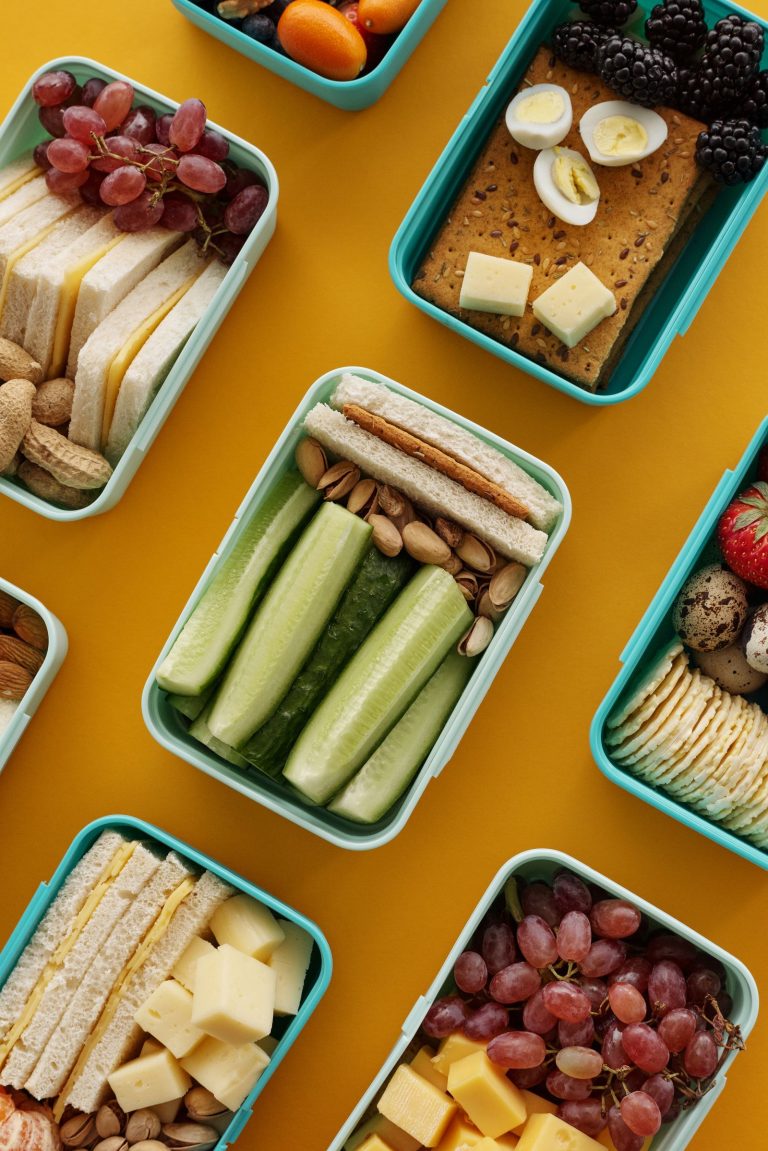
| Needs to stay cold | Fine at room temperature |
|---|---|
| Cooked meat and poultry | Bread, crackers, breadsticks |
| Egg, including egg mayonnaise | Whole uncut fruit |
| Yoghurt, soft cheese, milk | Dried fruit and most crisps |
| Cooked pasta and cooked rice | Hard cheese, for a few hours |
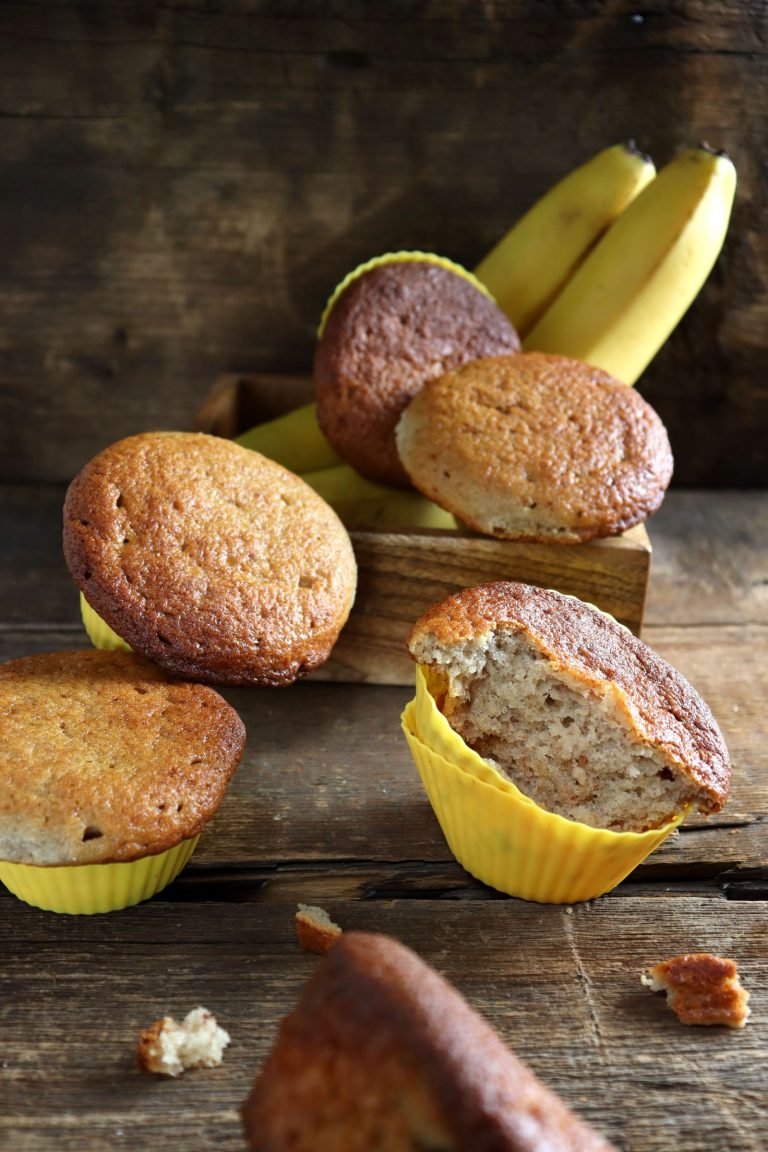
| Tuna, hummus, cut melon | Muffins, flapjacks, biscuits |
Cooked rice is the one people miss. It is worth treating with the same care as chicken.
The setup that works
Pre-chill everything, including the box
An ice pack spends its first stretch cooling the container rather than the food. Put the empty lunchbox in the fridge overnight, fill the water bottle the night before and refrigerate it, and assemble from cold ingredients. A sandwich made with cheese straight from the fridge starts colder than one made with cheese that sat on the counter while you made coffee.
Two thin ice packs, not one thick one
Cold moves by contact. Two slim packs — one under the food and one on top — hold a lunchbox colder than a single chunky block sitting at the bottom, because more of the food is touching something cold. Thin packs also leave room for the actual lunch.
A frozen drink as the third pack
A water bottle frozen two-thirds full works as an ice pack in the morning and is drinkable by lunchtime. Leave headroom — water expands as it freezes and will split a full bottle or force the lid.
Insulate, don’t just carry
A cloth tote holds no cold. An insulated bag with a foil or foam liner and a full-length zip is doing a different job. If the lunchbox goes inside a school bag anyway, the insulated bag still helps, because it is the layer keeping the cold in rather than keeping the bag out.
Ask where the bags live
Some classrooms keep lunch bags on a radiator wall or in a sunny corridor. It is worth asking, because it can undo everything above, and a request to move the tray is usually an easy one.
What about hot food?
A thermos is the other direction, and the same principle applies in reverse: pre-heat it. Fill it with boiling water, leave it five minutes, tip it out, then add food that is properly hot. Filling a cold flask with warm leftovers gives you lukewarm food at noon, which is the worst outcome of the three.
Common questions
Can I use frozen yoghurt tubes as ice packs?
They work, and children like them, but they only keep what they are touching cold and they thaw faster than a gel pack. Treat them as a bonus rather than the plan.
Is it safe if the ice pack has melted by pick-up time?
A melted pack at 3pm tells you little about the temperature at 12:30pm. If you want to know rather than guess, a cheap fridge thermometer left in the box for a day gives you a real answer.
How long do leftovers keep before they go in a lunchbox?
The USDA puts cooked leftovers at three to four days refrigerated. We cover the full set of timings in how long leftovers last.
Where to go next
- The school lunch system
- Choosing a lunchbox — insulation and seals
- Family food safety checklist
- How long leftovers last